
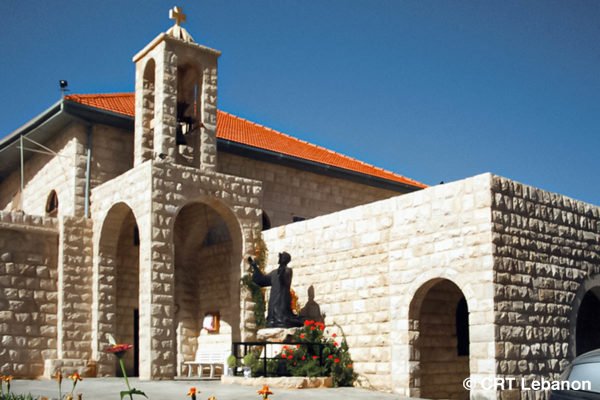
Our Lady of the Breast Church
Caza: Batroun
Sect: Maronite


Caza: Batroun
Sect: Maronite
Caza: Tyre
Sect: Mixed
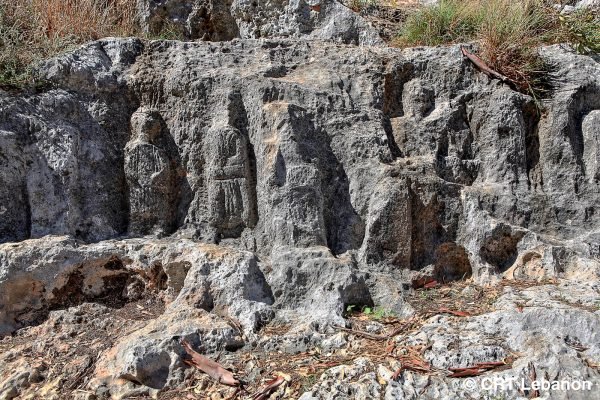
Scholars consider that the village of Cana located in South Lebanon is most likely the one mentioned in the gospels as Cana Al-Jalil, the town of Jesus’ first miracle. There, the Cana Al-Jalil wedding took place in “The Site of the Jars” that is believed to be “The Site of the Miracle,” 2km away from “The Site of the Statuary” and “The Sacred Cave” where a community of Christians found refuge escaping persecutions in the early centuries.
Caza: Tyre
Sect: Shiite
Caza: Jbeil
Sect: Maronite
Caza: Jbeil
Sect: Maronite
Caza: Marjeyoun
Sect: Shiite
Caza: Marjeyoun
Sect: Shiite
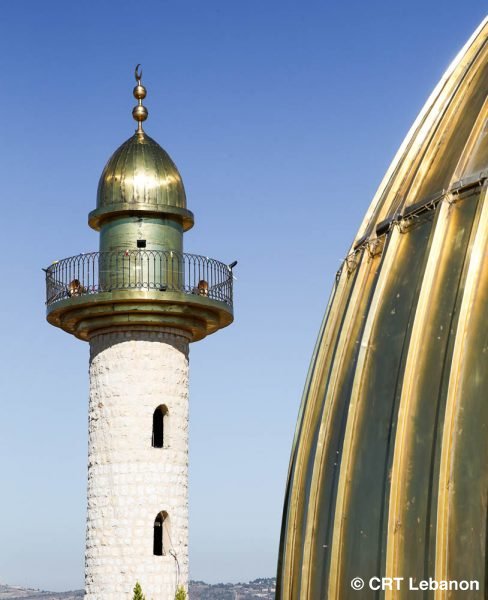
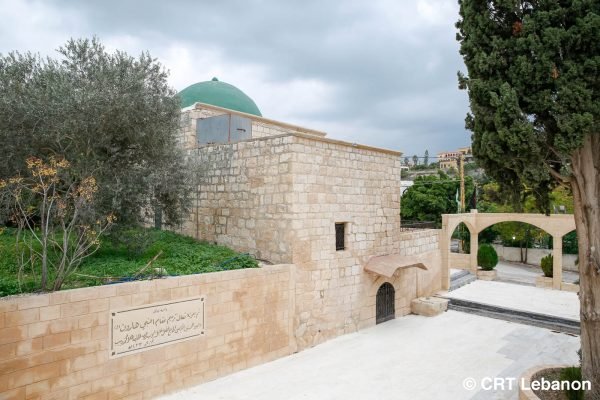
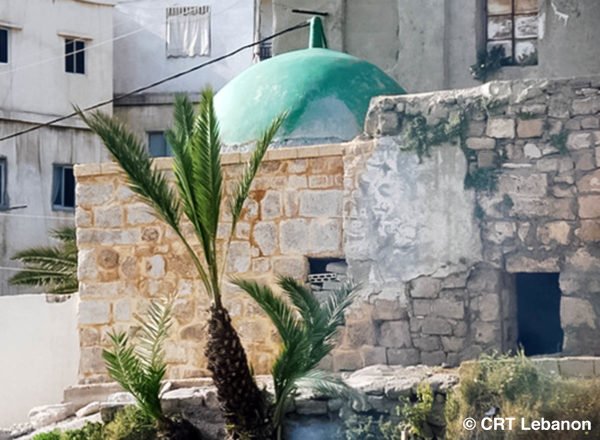
Historians have different opinions regarding the identity of the owner of the Maqam, which has given the town the name of "Mohaybib". Some attribute the Maqam to Benyamin Ben Yacoub while others say that Houbab Ben Yathrun is most likely buried there. The Maqam, dating back to more than 2000 years, is composed of two rooms: one housing the tomb topped by a dome and the other is the prayer hall. The Maqam, renovated in 2006, is made of arches with carefully dressed rocky masonry complying with the traditional architectural beauty of religious Maqams.
Caza: Marjeyoun
Sect: Shiite
Caza: Nabatieh
Sect: Shiite
Caza: Nabatieh
Sect: Shiite
Caza: Bint Jbeil
Sect: Shiite
Caza: Nabatieh
Sect: Shiite
Caza: Bint Jbeil
Sect: Shiite
Caza: Jezzine
Sect: Shiite
Caza: Jezzine
Sect: Shiite
Caza: Saida
Sect: Shiite
Caza: Tyre
Sect: Shiite
Caza: Tyre
Sect: Shiite
Caza: Tyre
Sect: Shiite
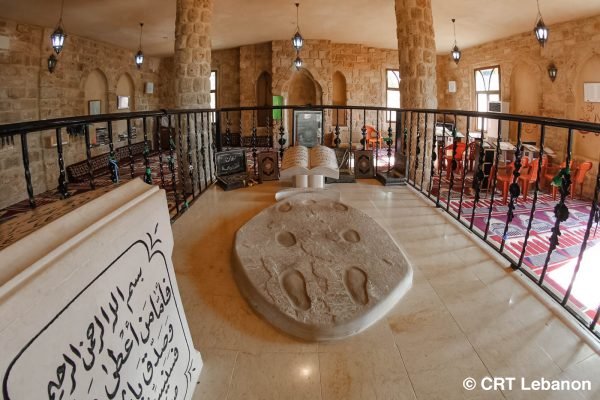
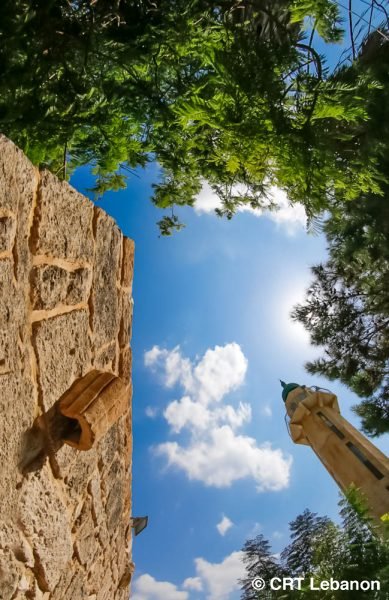
Prophet Omran lived in the first century BC, and is believed to be the descendant of Prophet Solomon, son of David. He married Hanna, the daughter of his uncle Faqoud and the aunt of Prophet Shamoun Al-Safa. Prophet Omran died and was buried in Mount Galilee when his daughter, the Virgin Mary, was still a little girl. The Maqam consists of two sections: the lower section is submerged underground while the upper section is a room that includes the tomb accessed through a one-step stair. Recent excavations, made next to the Maqam, has revealed the remains of an ancient building that most likely belong to an ancient church.
Caza: Saida
Sect: Sunnite
Caza: Saida
Sect: Sunnite
Caza: Saida
Sect: Sunnite
Caza: Saida
Sect: Sunnite
Caza: Saida
Sect: Sunnite
Caza: Saida
Sect: Sunnite
Caza: Saida
Sect: Sunnite
Caza: Saida
Sect: Sunnite
Caza: Saida
Sect: Sunnite
Caza: Saida
Sect: Sunnite
Caza: Jezzine
Sect: Maronite
Caza: Zahle
Sect: Shiite
Caza: Baalbek
Sect: Shiite
Caza: Baalbek
Sect: Shiite
Caza: Baalbek
Sect: Shiite
Caza: Baalbek
Sect: Shiite
Caza: Baalbek
Sect: Shiite
Caza: Baalbek
Sect: Shiite
Caza: Zahle
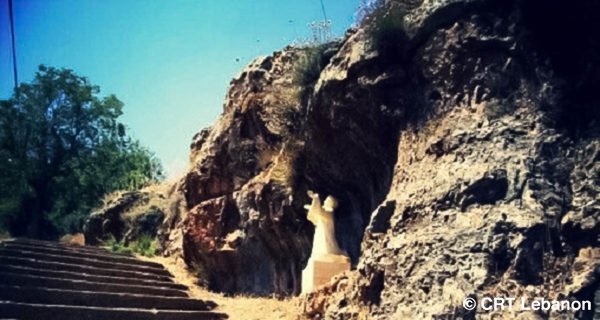
The caves, partially natural and partially man-made, are located just outside Furzol in the Wadi el-Habis or Valley of the Hermit as the villagers call it. Numerous rock-cut sanctuaries from the Canaanite, Roman and Byzantine times of tombs and stone temples ready to be explored. Beneath these rock formations is a network of chambers and caves. Their foundation walls are big stone blocks engraved with carvings and inscriptions and are remains of a Roman temple.
Caza: Baalbek
Sect: Shiite
Caza: West Bekaa
Sect: Sunnite
Caza: Chouf
Sect: Druze
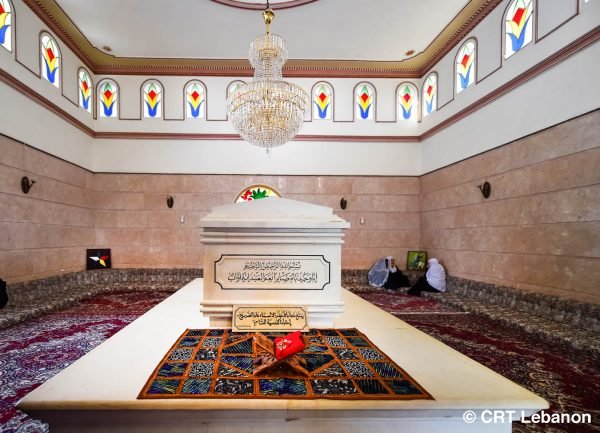
Ayoub, (Job), is among the Prophets mentioned in the Holy Quran along with his prophecy. He was known for his good qualities, faith and wealth. When he became seriously ill, intensely grieving the loss of his children and wealth, he raised his head towards the sky and called the Lord asking for mercy, and God answered his prayers. The Maqam’s importance lies in the fact that it is the place where Ayoub lived there for a while during his illness, and where water broke by God’s will and he drank and bathed and was healed.
Caza: Chouf
Sect: Sunnite
Caza: Chouf
Sect: Sunnite
Caza: Chouf
Sect: Sunnite
Caza: Chouf
Sect: Sunnite
Caza: Chouf
Sect: Sunnite
Caza: Baabda
Sect: Sunnite
Caza: Baabda
Sect: Sunnite
Caza: Chouf
Sect: Sunnite
Caza: Jbeil
Sect: Maronite
Caza: Batroun
Sect: Maronite
Caza: Batroun
Sect: Maronite